Documentation Preparation
Technical HSE Documentation covers the full range of documents an HSE system depends on — policies, SOPs, HSE manuals, project HSE plans, emergency plans, permit formats, inspection checklists, competency frameworks and incident procedures — developed to reflect how your organisation actually operates.
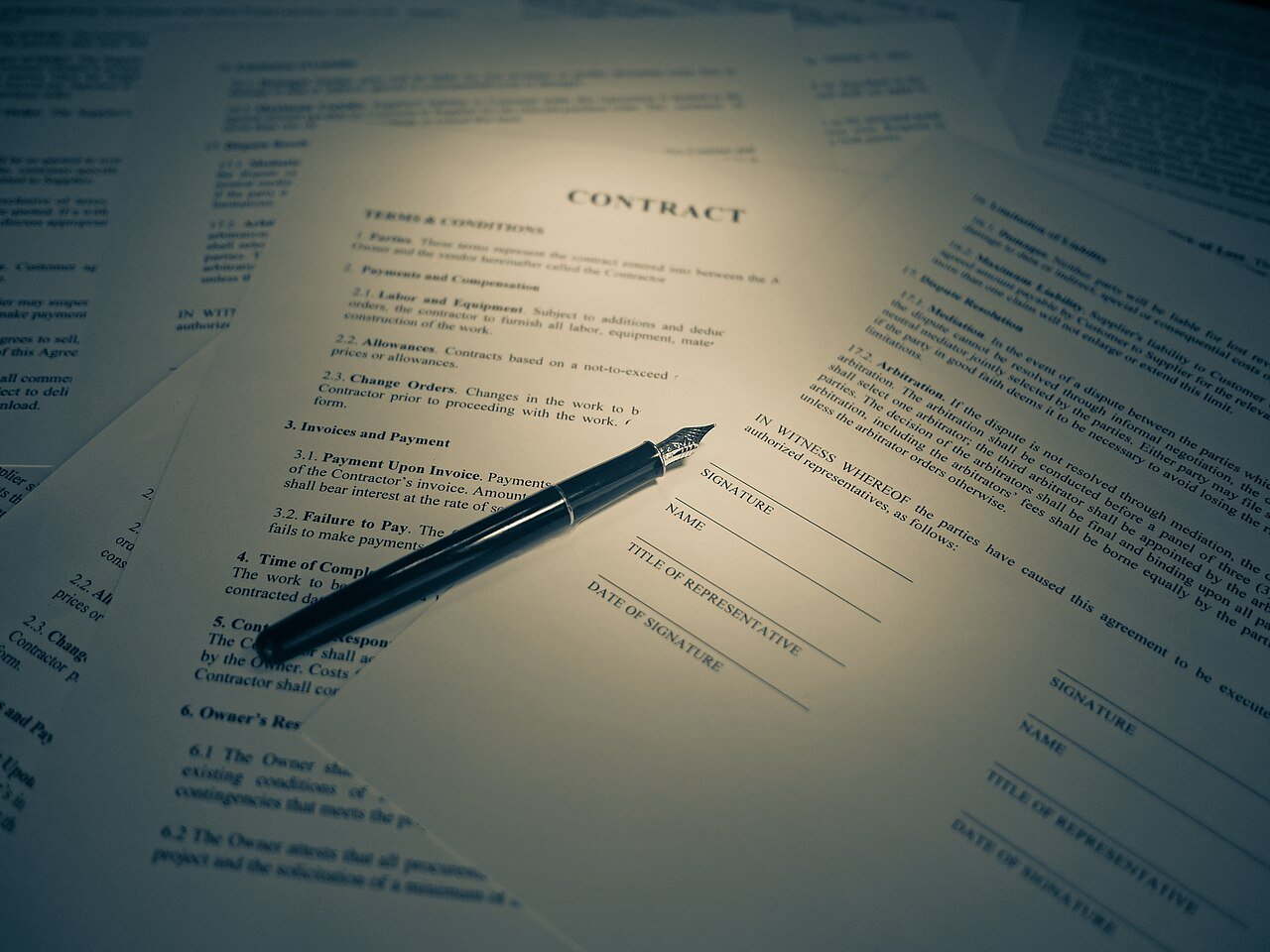
Why so much HSE documentation doesn't survive contact with reality
Ask most safety managers where their HSE documents came from and a common answer is: a previous consultant, a downloaded template, or a document inherited from head office and lightly edited. It reads well. It often has the right headings. And it frequently describes a workplace that doesn't quite match the one it's supposed to govern — a permit-to-work format that doesn't reflect how permits are actually issued on your site, an emergency plan that lists an assembly point that was moved two years ago.
That mismatch is what gets picked up first in an audit, and it's what makes documentation feel like paperwork rather than a genuine safety tool. Our approach is to write from what we actually see on your site — the equipment, the shift pattern, the people who will use the document — rather than adapting someone else's template with your logo on it.
This matters most for the documents people are actually meant to use under pressure — an emergency plan, a permit format, an incident procedure. A beautifully formatted document that nobody can find or follow during an actual emergency has failed at its one job, regardless of how complete it looked in the audit file.
The business challenge
A large share of HSE documentation in circulation is generic — templates adapted lightly for a new client, with terminology, references and procedures that don't match the equipment, process or workforce actually on site. This becomes obvious the first time it's tested, whether in an audit or an incident.
How Avertiz helps
Avertiz develops documentation from direct knowledge of your operation — process walkthroughs, discussion with the people who will use the document, and review of your existing procedures — so the outcome is something your team recognises as an accurate description of how work is actually done.
What we prepare
- HSE policies, procedures and manuals
- Project and site-specific HSE plans
- Emergency response plans and evacuation procedures
- Risk registers, HIRA and JSA/JHA documentation
- Permit-to-work formats and administration procedures
- Inspection formats, audit protocols and checklists
- Training matrices and competency frameworks
- Incident investigation procedures and CAPA formats
Documentation is developed through direct engagement with your operations, not desk-based adaptation of existing templates. Draft documents are reviewed with the people who will actually use them before being finalised, and version control and review cycles are built in so documents stay current as operations change.
- Finalised, operation-specific HSE documentation set
- Document control and review schedule
- User walkthrough or briefing on new or revised documents
- Documentation that matches how work is actually carried out
- Reduced audit findings related to document-practice mismatch
- A maintainable document set with clear ownership for future revisions
Organisations building an HSE documentation set for the first time, businesses inheriting inconsistent documentation across multiple sites, and project teams needing site-specific HSE plans and permit systems.
How a documentation engagement typically runs
- Scoping call. We confirm which documents are needed, current gaps, and any client or regulatory deadline driving the request.
- Site visit and review. We walk the relevant areas and review what currently exists — including documents that are technically in place but out of date.
- Drafting. Documents are drafted against what we observed, not a template library, with terminology and references matched to your operation.
- Review with your team. Drafts are reviewed with the people who'll actually use them, before anything is finalised.
- Handover. Final documents are issued with a version control and review schedule, so they have a defined owner going forward.
Discuss your documentation requirement
Tell us what's missing or out of date, and we'll propose a scope that fits.