Fire & Life Safety Audit
An independent, evidence-based review of fire and life safety across your buildings and facilities — not a one-time certificate, but a current picture of real risk.
The business challenge
Fire safety is often addressed at the point of statutory approval — the Fire NOC application, the occupancy certificate — and then left largely unreviewed until the next licence renewal or, worse, until an incident. Building use, occupancy and layout change over time in ways the original fire safety design never anticipated: a warehouse gets repurposed for higher-density storage, a corridor gets partially blocked by equipment, a fire door gets propped open because it's inconvenient. None of that shows up on the original approved drawing.
How Avertiz helps
We audit fire and life safety as a live condition of the building or site, not a filed-away certificate — combining a physical walkthrough with review of occupancy patterns, storage and process hazards, and existing fire safety provisions. Findings are evidence-referenced (photographed, logged against a specific location) and risk-classified, distinguishing statutory requirements from good-practice recommendations, so your team knows what must be fixed before the next inspection and what can be phased in.
Typical scope
- Fire risk assessment for buildings, facilities and industrial sites
- Means of escape and life safety review
- Fire safety system audit (detection, suppression, emergency lighting, signage)
- Fire NOC and licensing compliance review
- Evacuation plan and mock drill evaluation
- Periodic fire safety compliance audit
A day in the audit, step by step
Document review
Fire NOC, approved drawings, maintenance and testing records, previous audit reports.
Walkthrough
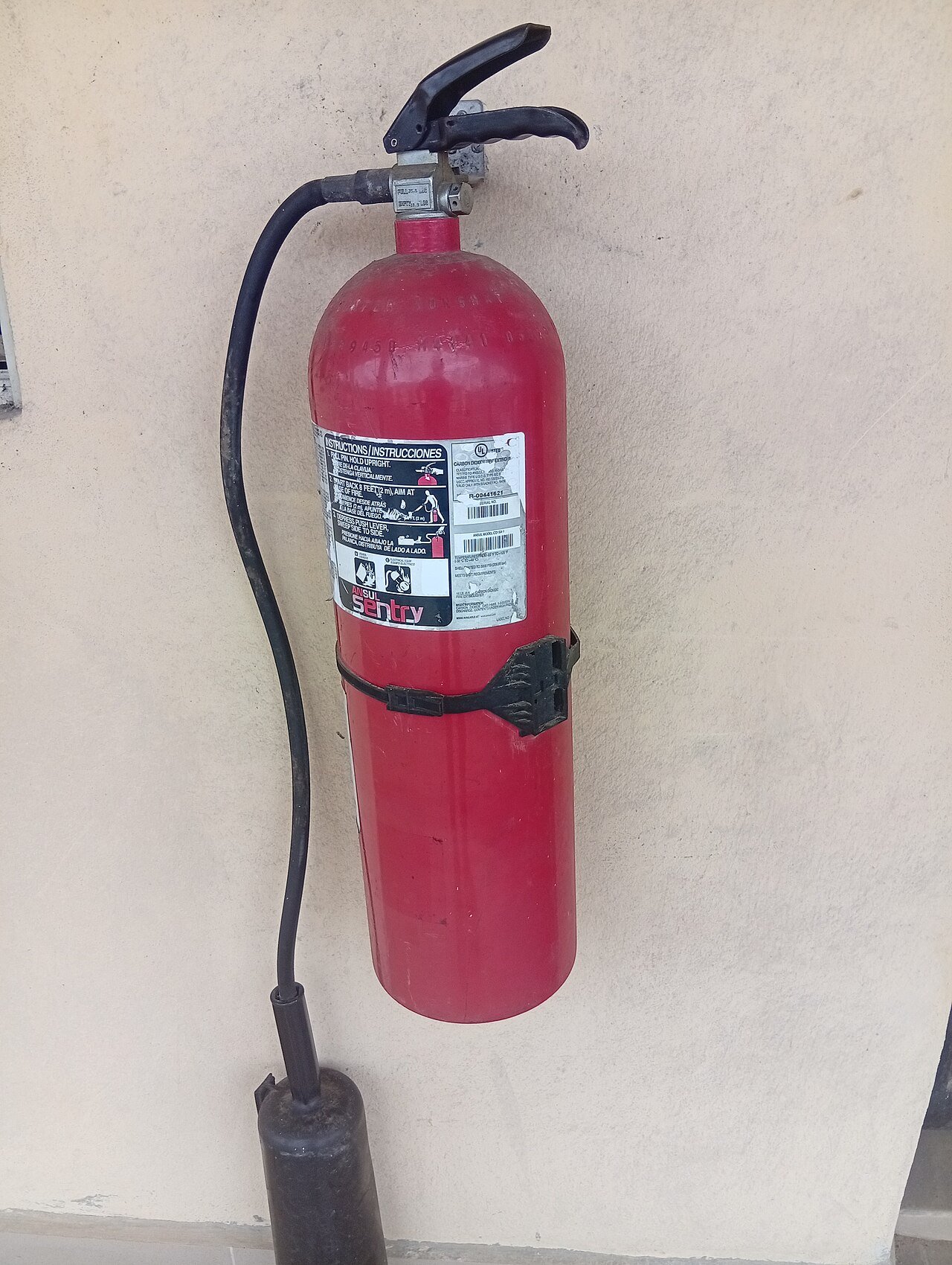
Physical inspection of every floor — egress routes, fire doors, extinguisher placement, storage practices.
System check
Visual condition and test-tag review of detection, alarm, suppression and emergency lighting systems.
Interviews
Short conversations with facility staff and fire wardens on drill history and response readiness.
Reporting
Findings classified by risk, referenced to evidence, and written up with a prioritised action plan.
Audits combine document and licence review, physical walkthrough, and interviews with facility and fire safety personnel. Findings are evidence-referenced and classified by fire and life-safety risk before being written up, distinguishing statutory requirements from recommended good practice.
- Fire risk assessment report with prioritised, evidence-referenced findings
- Means-of-escape and evacuation capacity review
- Fire safety improvement plan with realistic timelines
- Evacuation plan and drill evaluation summary
- A current, evidence-based view of fire and life safety risk, not a filed-away certificate
- Clear separation between statutory obligations and recommended good practice
- A realistic improvement plan aligned to the building's actual use and layout
Manufacturing facilities, warehousing and logistics sites, commercial and hospitality buildings, and construction projects at design or execution stage.
What an Indian fire audit is actually measured against
Came into force 21 November 2025, consolidating 13 earlier central labour laws (including the Factories Act, 1948, the BOCW Act, 1996, and the Contract Labour Act, 1970) into a single framework. Central Rules were notified in May 2026; state-level rules are being adopted progressively. During this transition, provisions of the earlier laws may continue to apply where the new Code or rules are not yet fully notified for a given state or sector.
Published by the Bureau of Indian Standards; sets the framework for fire prevention, means of escape and fire protection systems, and is adopted into legal force through state and municipal building bye-laws and Fire NOC conditions.
Training and audit, together
A fire and life safety audit often surfaces the need for fire warden training, extinguisher handling practice or evacuation drills — covered under our Corporate Training Programs, specifically the Fire Safety & Emergency Response programme. Many clients run the audit first, then schedule training against the specific gaps it identifies, rather than training against a generic syllabus.
Common questions
Is this audit a substitute for our Fire NOC application?
No. A Fire NOC (No Objection Certificate) is issued by your local fire authority as a statutory approval. Our audit is an independent check of your actual fire and life safety condition — it can help you prepare for a Fire NOC application or renewal, but it doesn't replace the statutory process itself.
How much notice do you need to schedule an audit?
Typically 1–2 weeks, depending on site location and auditor availability. Where there's a licence renewal deadline, let us know upfront and we'll prioritise accordingly.
Will the audit disrupt normal site operations?
Generally no — the walkthrough and interviews are scheduled around your operating hours, and we coordinate access to restricted areas in advance so there's no need to pause production.
Do you only audit against Indian regulation, or international standards too?
The core basis is Indian regulation (NBC 2016 Part 4 and your local Fire NOC conditions), since that's what's legally enforceable here. Where a client also wants benchmarking against international good practice, we note that separately in the report.
Request a fire and life safety audit
Tell us about your building, occupancy and current fire safety set-up, and we'll propose a scope and timeline that fits.